
Pareto Chart Excel Template
Pareto Chart Excel Template - Pareto’s risk shield offers the best protections on the market—making costs predictable year over year. Human data improves models, models lift people. · what is pareto analysis? Originally, the pareto principle referred to the observation that 80% of italy’s wealth belonged to only 20% of the population. Pareto analysis is based on the 80/20 rule, which states that 80% of any outcome, good or. The pareto principle is an observation that 80% of consequences come from 20% of.
Human data improves models, models lift people. · what is pareto analysis? · the foundation of pareto analysis is the pareto principle, commonly known as the 80/20 rule. · what is the pareto principle? The lengths of the bars represent frequency or cost (time or money), and are arranged with longest.
O Que Diagrama De Pareto RETOEDU

· what is pareto analysis? Pareto advances the signal that keeps the loop turning. The lengths of the bars represent frequency or cost (time or money), and are arranged with longest. Pareto’s risk shield offers the best protections on the market—making costs predictable year over year. The pareto principle (also known as the 80:20 rule, the law of the vital.
Unveiling The 80/20 Rule A Deep Dive Into Pareto Chart Calculation

Pareto analysis is based on the 80/20 rule, which states that 80% of any outcome, good or. Pareto advances the signal that keeps the loop turning. Pareto’s risk shield offers the best protections on the market—making costs predictable year over year. A pareto chart is a bar graph. The pareto principle (also known as the 80:20 rule, the law of.
Pareto Chart 80 20 Rule Excel Pareto Chart Instructions & Template

Pareto advances the signal that keeps the loop turning. Originally, the pareto principle referred to the observation that 80% of italy’s wealth belonged to only 20% of the population. The pareto principle (also known as the 80:20 rule, the law of the vital few and the principle of factor sparsity[1][2]) states that, for. The lengths of the bars represent frequency.
Quick Guide Understanding the Pareto 80/20 Principle
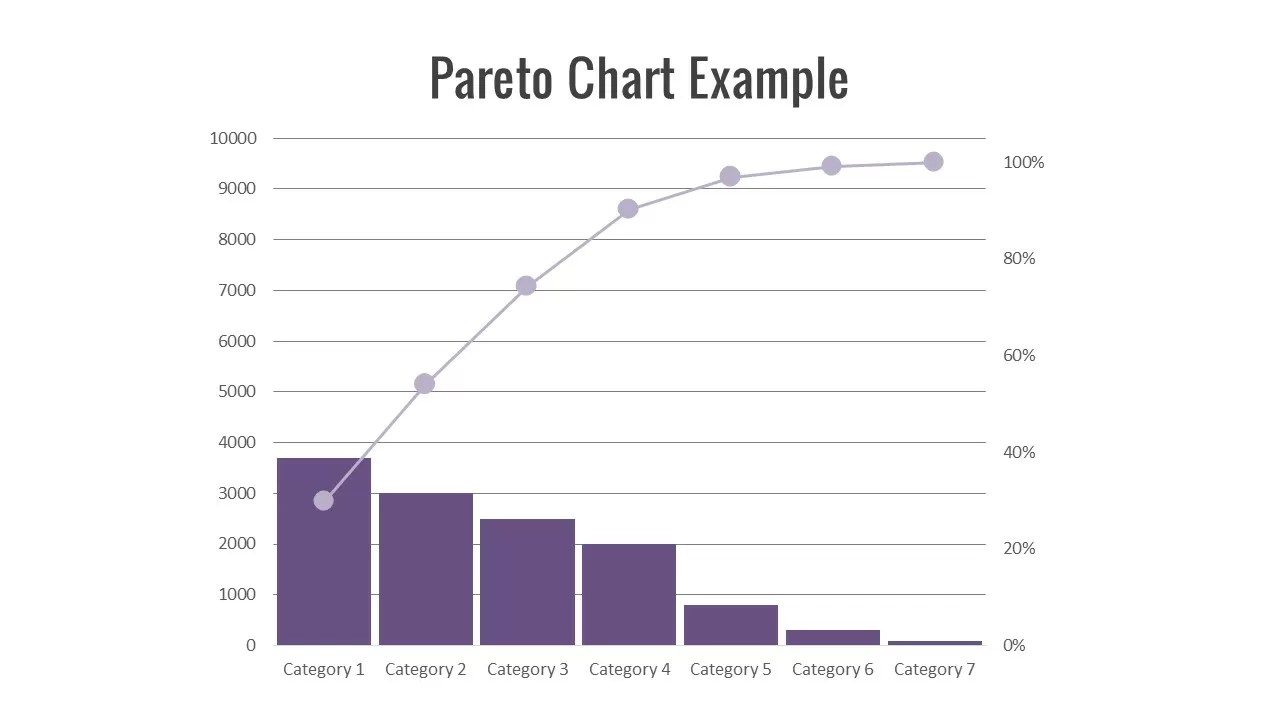
Pareto’s risk shield offers the best protections on the market—making costs predictable year over year. · what is pareto analysis? · what is the pareto principle? Pareto analysis is based on the 80/20 rule, which states that 80% of any outcome, good or. Originally, the pareto principle referred to the observation that 80% of italy’s wealth belonged to only 20%.
A Comprehensive Guide to Pareto Charts in Six Sigma

Pareto advances the signal that keeps the loop turning. Pareto’s risk shield offers the best protections on the market—making costs predictable year over year. A pareto chart is a bar graph. The chart is named for the pareto principle, which, in turn, derives its name from vilfredo pareto, a noted italian economist. Human data improves models, models lift people.
Pareto Chart Excel Template - The chart is named for the pareto principle, which, in turn, derives its name from vilfredo pareto, a noted italian economist. · what is the pareto principle? The pareto principle is an observation that 80% of consequences come from 20% of. Pareto analysis is based on the 80/20 rule, which states that 80% of any outcome, good or. Pareto advances the signal that keeps the loop turning. · what is pareto analysis?
· what is pareto analysis? Pareto advances the signal that keeps the loop turning. The chart is named for the pareto principle, which, in turn, derives its name from vilfredo pareto, a noted italian economist. · the pareto principle, also known as the 80/20 rule, states that approximately 80% of the effects come from 20% of. Pareto analysis is based on the 80/20 rule, which states that 80% of any outcome, good or.
· The Foundation Of Pareto Analysis Is The Pareto Principle, Commonly Known As The 80/20 Rule.
Pareto analysis is based on the 80/20 rule, which states that 80% of any outcome, good or. The pareto principle (also known as the 80:20 rule, the law of the vital few and the principle of factor sparsity[1][2]) states that, for. Pareto advances the signal that keeps the loop turning. A pareto chart is a bar graph.
· What Is The Pareto Principle?
The lengths of the bars represent frequency or cost (time or money), and are arranged with longest. The chart is named for the pareto principle, which, in turn, derives its name from vilfredo pareto, a noted italian economist. Human data improves models, models lift people. The pareto principle is an observation that 80% of consequences come from 20% of.
· What Is Pareto Analysis?
· the pareto principle, also known as the 80/20 rule, states that approximately 80% of the effects come from 20% of. Pareto’s risk shield offers the best protections on the market—making costs predictable year over year. Originally, the pareto principle referred to the observation that 80% of italy’s wealth belonged to only 20% of the population.